Bridging the Gap Between Home and School Learning

Updated: Jan 31
In a rush? Here's a quick rundown.
Stay informed about what your child is learning at childcare through daily reports, progress meetings, and conversations with educators.
Create a dedicated learning space at home — it doesn't need to be fancy, just a cosy corner with books, puzzles, and educational toys.
Establish a daily routine that balances learning, play, and rest — consistency helps children understand what to expect and feel secure.
Celebrate achievements big and small — a simple high-five or word of praise reinforces effort and builds a lifelong love of learning.
As parents, we all want the best for our children, especially when it comes to their education. While we often think of school as the primary place where learning happens, the early years spent in childcare are crucial. It's a time of rapid development, and by continuing that education at home, you're not just supporting your child's growth — you're actively building on their learning journey together.
In this guide, we'll explore practical strategies and tips that can help you create a consistent and supportive learning environment at home.
Understanding the Childcare Curriculum
Understanding what your child is learning at childcare is key to extending that learning at home. Childcare programs are designed to introduce children to a wide range of subjects and activities — from early literacy and numeracy skills to social and emotional development.
Beyond the academic side, these programs also focus on helping children develop critical thinking, creativity, and problem-solving abilities.
How to stay informed:
Have regular conversations with your childcare educators
Ask about the themes or topics being covered each week
Find out which skills your child is working on
Take advantage of daily reports and progress meetings
By staying informed, you'll be better prepared to engage with your child's lessons in a positive home environment.
Making the Most of Daily Reports and Progress Meetings
Daily reports and progress meetings are like a window into your child's world at childcare. These tools give you insights into what your little one is learning, how they're developing, and what areas might need a bit more focus.
When you receive a daily report, take a few minutes to go over it with your child. Ask them about their day, what they enjoyed, and what they found challenging. This not only helps reinforce what they've learned but also encourages them to reflect on their experiences.
During progress meetings, don't be afraid to ask questions. Find out what your child is excelling at and where they might need a little extra help. You can then tailor your home activities to complement what's happening at childcare.

Creating a Learning Environment at Home
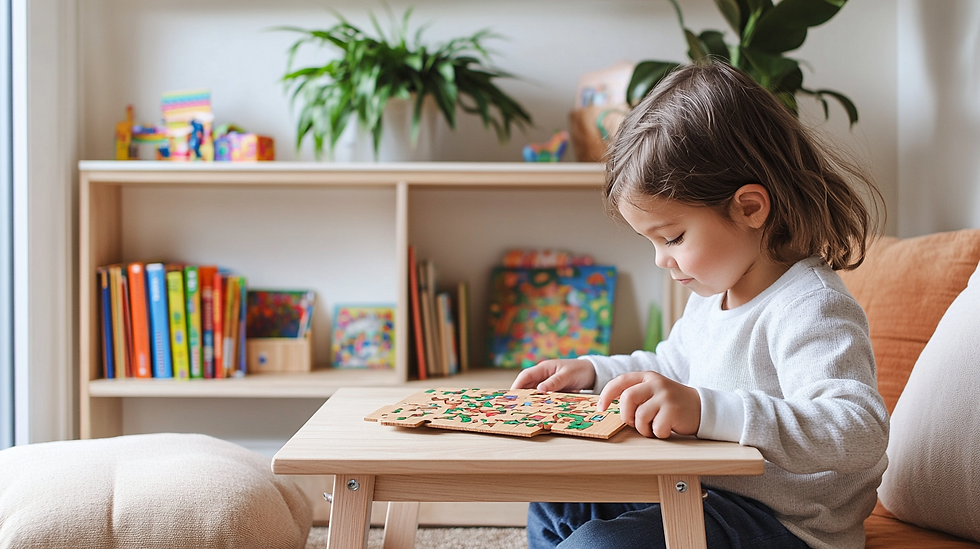
One of the most effective ways to support learning at home is to create a dedicated learning space. This doesn't have to be a big, fancy room — it could be a cosy corner with a small table, some shelves for books and toys, and a comfortable place to sit. The key is to create a space where your child feels comfortable and inspired to learn at their own pace.
Setting Up a Learning Space
When creating a learning space, think about what will best suit your child's needs and interests. A simple setup with a few key items can go a long way.
Consider including:
A table for drawing and writing
Shelves for books and puzzles
Bins for educational toys
Good natural lighting
Comfortable seating
The goal is to make learning accessible and enjoyable.
Choosing the Right Materials
Educational toys and materials are also important. Look for items that align with the activities your child is doing in childcare.
Examples:
For fine motor skills: building blocks, playdough, threading beads
For numbers and letters: puzzles, flashcards, counting games
For creativity: art supplies, craft materials, dress-up clothes
By providing these resources at home, you're reinforcing what they're learning at childcare and giving them the tools they need to succeed.
Establishing a Daily Routine
Routines help children understand what to expect and create a sense of order in their day. A well-structured routine should balance learning, play, and rest, ensuring that your child gets the most out of each day.
Example daily routine:
Morning — Start the day with breakfast, followed by a learning activity related to what they're doing in childcare (reading a book or working on a puzzle).
Midday — Allow time for free play and outdoor activities to keep them active and engaged.
Afternoon — After lunch, have another focused learning session, perhaps involving a hands-on craft or an educational game.
Evening — Wind down with quiet time, such as reading a bedtime story or talking about their day.
The goal is to create a routine that works for your family. Flexibility is important too — don't be afraid to adjust as needed to keep things fresh and engaging.
Engaging in Interactive Learning Activities
Interactive learning activities help reinforce what your child is learning at childcare while making education fun and engaging. These activities encourage hands-on learning and creativity, helping children explore new ideas through play.
Educational Games and Crafts
Educational games are a great way to involve learning through play. Whether it's a simple board game like Snakes and Ladders that teaches counting, or a memory game that helps with cognitive skills, there are plenty of options.
Crafts are another wonderful way to engage your child's creativity. For example:
If they're learning about animals, make animal masks together
If they're learning about shapes, create a collage using different shapes cut from coloured paper
These activities reinforce learning while providing valuable quality time together.
Outdoor Learning Opportunities
Outdoor activities offer endless opportunities for exploration and discovery. Being outside helps children develop a deeper understanding of the world around them.
Ideas to try:
Turn a walk into a learning adventure by looking for different leaves, insects, or birds
Create a small garden together, teaching about plants and caring for living things
Explore textures, sounds, and seasons in nature
Outdoor activities reinforce learning while helping children develop a love for nature and the environment.
Supporting Social and Emotional Development
Social and emotional development are just as important as academic learning. It's about helping your child develop the skills they need to interact with others, manage their emotions, and build healthy relationships.
Role-Playing and Group Activities
Role-playing games help children develop social skills. By using puppets to express emotions or acting out scenarios from favourite stories, children learn how to interact with others, solve problems, and express their feelings.
You can also encourage social development by organising playdates or group activities. These give your child the chance to practise social skills in a real-world setting, helping them build confidence and make friends.
Emotional Literacy Activities
Emotional literacy is about helping children understand and express their emotions.
Try these activities:
Create an emotion chart together where your child can point to how they're feeling each day
Read books that talk about different emotions and discuss the characters' feelings
Use puppets or toys to act out scenarios involving different feelings
These activities help children develop empathy and emotional regulation, which are crucial for their overall wellbeing.

Involving the Whole Family
Learning doesn't have to be a solo activity. Involving other family members makes it more enjoyable and rewarding. When everyone in the family is engaged in your child's education, it creates a supportive environment that encourages lifelong learning.
Ideas for family involvement:
Collaborative projects like building something together, assembling a jigsaw puzzle, or a family art project
Cooking together — measuring ingredients teaches maths skills
Family nature walks or adventures
Grandparents reading stories or sharing skills
Working together on a common goal teaches teamwork and cooperation, and it's a wonderful way to bond and create lasting memories.
Tracking Progress and Celebrating Achievements
One of the best ways to keep your child motivated is by tracking their progress and celebrating their achievements. This helps them see how far they've come and reinforces the importance of hard work and perseverance.
Progress Charts and Journals
A progress chart can be as simple as a sticker chart where your child earns a sticker for each new skill they master. This visual representation of their achievements can be incredibly motivating.
A learning journal is another valuable tool — you can document milestones, jot down observations about their progress, and include photos or examples of their work. This can be a fun project to work on together, giving your child a sense of ownership over their learning.
Celebrating Success
When your child achieves a milestone — whether it's learning a new letter, solving a puzzle, or mastering a dance move — acknowledge their hard work. This doesn't have to involve big rewards; sometimes a simple high-five, a word of praise, or a special treat is enough to make them feel proud.
This positive reinforcement boosts your child's confidence and helps instil a lifelong love of learning. By celebrating their successes, you're showing your child that their efforts are valued and appreciated.
Bridging the Gap Together
Education is a partnership between childcare providers and parents. By staying informed about your child's curriculum, creating a supportive learning environment at home, and engaging in activities that reinforce their education, you're helping create a seamless and enriching learning experience.
At The Green Elephant, we're here to support you every step of the way — through daily reports, suggestions for home activities, and being available to answer your questions. Together, we can help your child reach their full potential.
FAQ
How can I find out what my child is learning at childcare?
Ask your educators about the themes or topics being covered each week, read daily reports carefully, and attend progress meetings. Most centres are happy to share information about their curriculum and your child's development.
Do I need a dedicated room for learning at home?
Not at all! A cosy corner with a small table, some shelves for books and toys, and comfortable seating is enough. The key is creating a space where your child feels comfortable and inspired to learn.
How much structured learning should I do at home each day?
Keep it short and enjoyable — 15-30 minutes of focused activity is plenty for young children. Balance structured learning with free play, outdoor time, and rest. Follow your child's lead and keep activities fun.
What if my child doesn't want to do learning activities at home?
Make learning feel like play rather than work. Turn everyday activities into learning opportunities — cooking involves maths, nature walks involve science, and storytelling involves literacy. If they resist, take a break and try again later.
How can I motivate my child to keep learning?
Celebrate small achievements with praise, high-fives, or sticker charts. Focus on effort rather than perfection, and make learning enjoyable. When children feel proud of their progress, they're more motivated to continue.
Partner with Us in Your Child's Learning Journey
Book a tour and discover how The Green Elephant works with families to create a seamless learning experience from childcare to home.


Comments