The Vital Role of Reading for Children
- The Green Elephant

- Oct 9, 2023
- 5 min read
Updated: Feb 1
In a rush? Here's a quick rundown.
It's never too early to start reading — even before babies can speak, hearing your words helps form language recognition and builds brain pathways for literacy.
Reading aloud develops comprehension, vocabulary, empathy, and general knowledge — giving children a head start when they begin school.
Beyond literacy, reading time deepens the bond between parent and child — creating feelings of safety and security through shared connection.
Make reading interactive — use expression in your voice, ask questions, point at words, and let your child choose favourite books to read again and again.
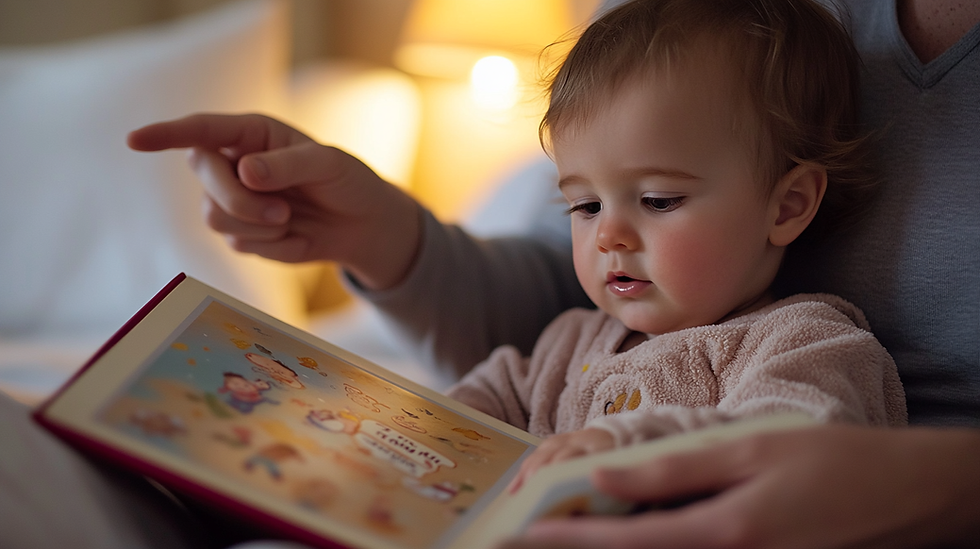
It's never too early to start reading to your child and nurturing their literacy skills. Reading aloud not only gives children a head start on developing their reading, listening, empathy, and comprehension skills — it also helps nurture a strong bond as they sit close and listen to your voice.
In this guide, we'll explore why reading is so important for children from a young age, how to get them interested in books, and tips for making story time engaging and meaningful.
Why Is Reading Important in the Early Years?
Reading to a child during their early years helps strengthen brain pathways for language development. With their brain developing rapidly over their first years, it's the perfect time to reap the many benefits of reading.
How reading builds young minds:
As your child hears your words, their brain forms language recognition and literacy skills
Even before they can verbalise their thoughts, reading aloud exposes children to vocabulary that becomes imprinted in their brain
Children who are read to regularly have more general knowledge about the world
Early reading develops empathy skills to handle feelings in healthy ways
Reading to your child in their early years gives them a significant advantage when they start school — they'll recognise more words, understand concepts more easily, and have stronger comprehension skills.
Getting Children Interested in Reading
Introducing reading at an early age sets up healthy learning habits for the future. The key is to start early and make it enjoyable.
Reading to Your Baby
To get your child interested in reading, start when they're an infant. Make reading a part of your daily routine and enjoy quality bonding time together.
When you read aloud to your infant:
Their imagination is inspired
Their mind explores the pictures on the page
Their developing brain associates reading time with a happy experience
Tips for reading to babies:
Choose short, engaging books that feature animals, cars, or anything where you can make associated noises
Use your voice to engage their attention — vary your pitch and volume
Emphasise words for impact
Continue your reading routine even when they become mobile and may not sit still — they'll still listen while playing nearby

Benefits of Reading to Toddlers
There are many benefits of reading to toddlers, as it improves various aspects of development.
Improving Comprehension
When toddlers listen to stories, they begin to understand basic concepts, logic, and judgement of situations. The tone of your voice also helps them determine when situations are happy or sad, frightening or peaceful.
While reading, you can stop and ask them about the story and discuss the pictures and what's happening to boost their comprehension skills.
Reducing Stress
Reading should be a calm, fun time with your toddler. Find a time when your toddler is most receptive to having story time.
Many parents read a bedtime story as it allows for unhurried reading, quality bonding time, and reduces the stresses of the day for a restful sleep.
Boosting Brain Development
Your toddler's language brain pathways are developing, so exposure to words, language skills, and comprehension is vital at this age. Through stories, they'll also learn critical empathy skills to handle situations and emotions they face in life.
Deepening Your Bond
One of the best benefits of reading is deepening the bond between children and their parents or caregivers. As they settle in and connect with you, their senses are heightened — listening to your voice and engaging their brain.
This learning time makes them feel safe and secure as you relax together to share an adventure, learn a lesson, or have fun and laughs.
What to Read to Your Toddler
The best books depend on your child's age and stage.
For toddlers under 18 months:
Picture books with familiar items like animals or people
Touch-and-feel books that explore textures
Sensory books that allow them to explore the world through touch
Simple board books with bold, clear images
For older toddlers (18 months to 3 years):
Longer books filled with humour and rhythms
Stories with repetitive phrases they can join in with
Books about familiar experiences like going to the park or bedtime
Books with their favourite characters or topics
As they follow along, they'll learn to turn the pages and engage with the book as they become familiar with language patterns and words.
Tips for Reading to Toddlers
Make story time interactive and engaging with these tips:
Read favourites often — They'll find it comforting and start to learn the words to read along with you.
Stop and ask questions — "Who's your favourite character?" "How did that make you feel?" "Can you guess what will happen?"
Make purposeful mistakes — Stumble on words so your toddler can jump in and help you. This grows their confidence and gets them involved.
Use expression — Create voices for different characters and help your child understand when something's fun, sad, exciting, or calm.
Point at words — As you read, point at the words so your toddler learns to recognise the spelling alongside the pronunciation.

Reading at The Green Elephant
At The Green Elephant, we have regular story time sessions in all our rooms because we understand how important reading is for children's development.
Our approach to reading:
Age-appropriate books available in every room
Children encouraged to choose their favourite books
Quiet reading time with picture books during rest periods
Interactive story sessions that build comprehension and engagement
Educators who use expression, ask questions, and make reading fun
We believe that fostering a love of books and stories in the early years creates a foundation for lifelong learning and curiosity.
FAQ
When should I start reading to my baby?
It's never too early! You can start reading to your baby from birth. Even before they can understand the words, hearing your voice helps form language recognition and brain pathways for literacy. Plus, it creates a comforting bonding experience.
How does reading help my child's development?
Reading aloud strengthens brain pathways for language development, builds vocabulary and comprehension skills, develops empathy, increases general knowledge about the world, and creates emotional security through bonding time with you.
What books are best for toddlers?
For toddlers under 18 months, choose picture books, touch-and-feel books, and simple board books with bold images. For older toddlers, look for longer books with humour, rhythms, repetitive phrases, and familiar experiences they can relate to.
My toddler wants to read the same book over and over — is this okay?
Absolutely! Reading favourites repeatedly is beneficial — it helps children learn the words, builds their confidence as they start to "read along," and provides the comfort of familiarity. Let them choose their favourites often.
How can I make reading more engaging for my child?
Use expression and different voices for characters, stop and ask questions about the story, point at words as you read, make purposeful mistakes so they can "help" you, and let them turn the pages and interact with the book.
See How We Nurture a Love of Reading
Book a tour and discover how The Green Elephant builds literacy skills and a lifelong love of books through engaging story time experiences.


Comments